
Possible Now Essays, Stories and Reflections
Possible Now is an invitation to help shape an emerging discourse.
Over the coming months, we will be publishing essays and blogs from practitioners, thinkers, organizers and experimenters around the world who are asking what becomes possible as old systems lose their grip and new ones begin to emerge.
These essays are not intended to arrive at a single answer but are rather are an effort to build coherence without conformity and to develop a shared grammar that helps us recognize patterns, connect ideas and strengthen the relationships from which new possibilities can emerge.
Kathmandu will be a gathering point within that conversation, not its culmination.

By: Olga Bentz, ODeSA – Organisational Development Support Agency (Ukraine)
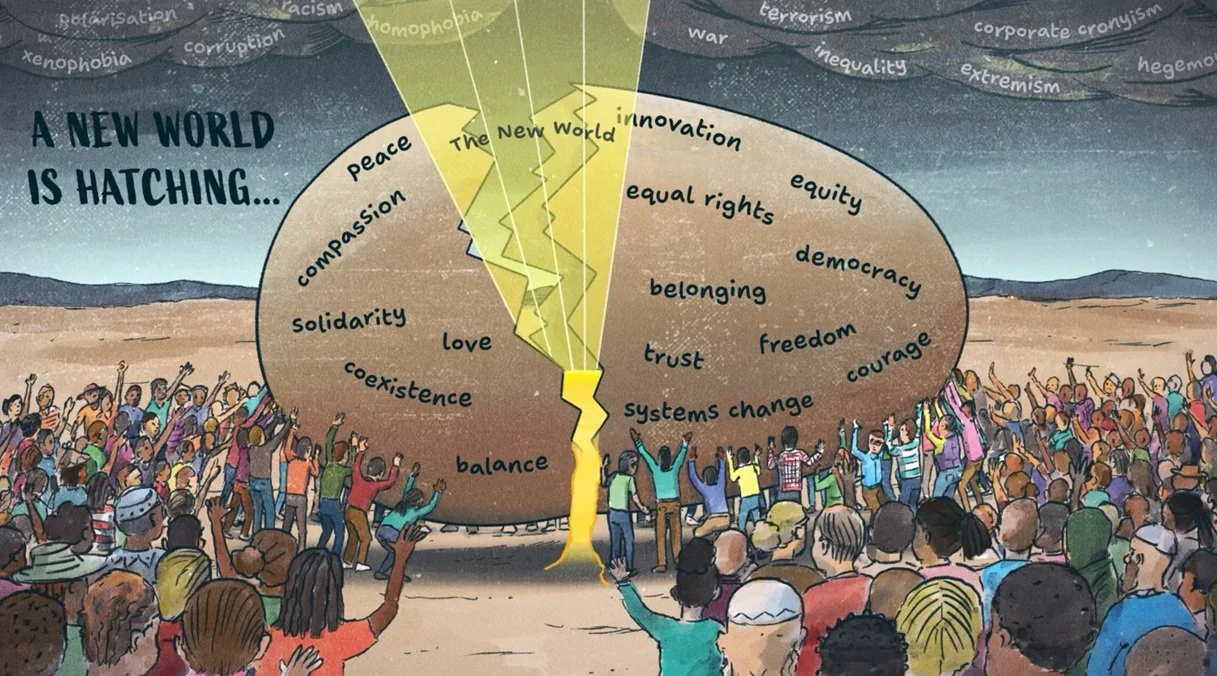
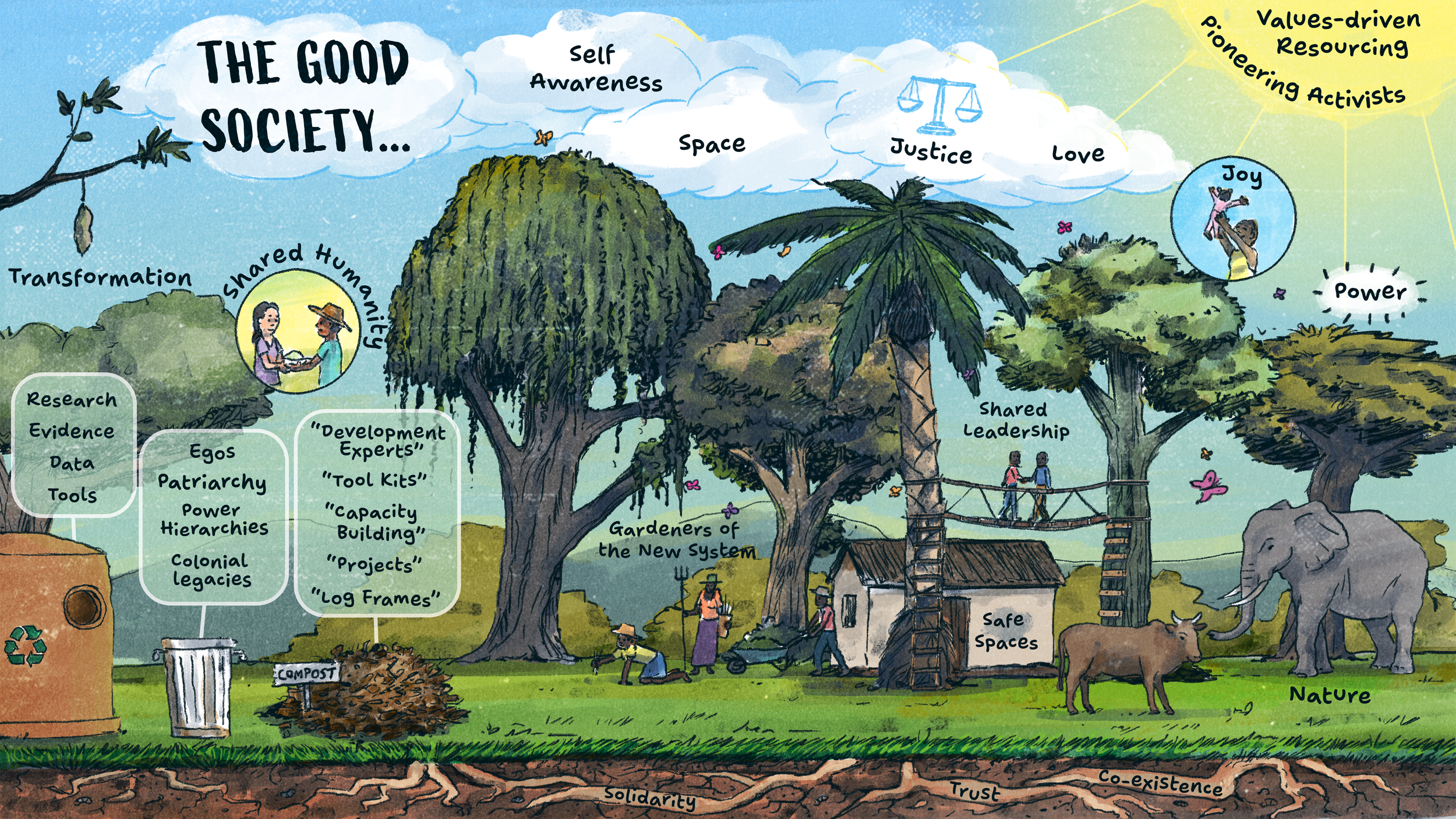
The invitation to move from a “machine mind” to a “garden mind” is a powerful one.
A machine can be designed, assembled and controlled. When it stops working, we identify the defective part, repair it and try to restore normal operations. A garden asks something different of us. It is alive, relational and unpredictable. We cannot manufacture its growth. We can only work with the soil, tend the conditions, notice what is emerging and support life in finding its own forms.
In her opening essay on Possible Now (above), Jenny Hodgson describes a quieter story unfolding beneath the visible crisis of international development: communities and organizations building alternatives through mutual aid, solidarity economies, community philanthropy and other living systems rooted in relationships and place. Read more
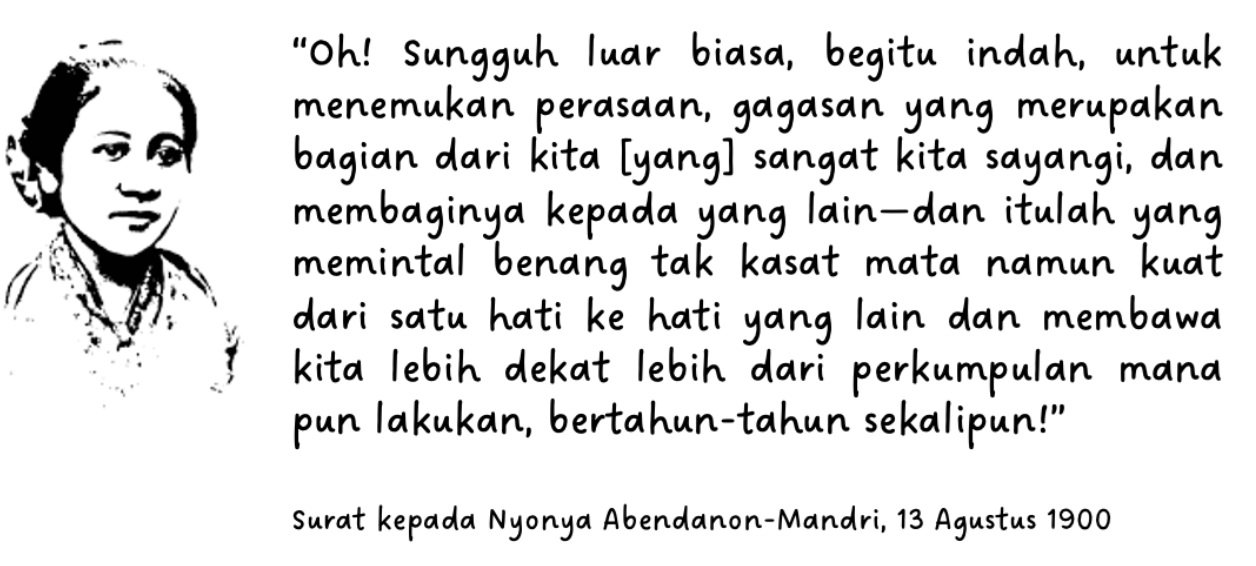
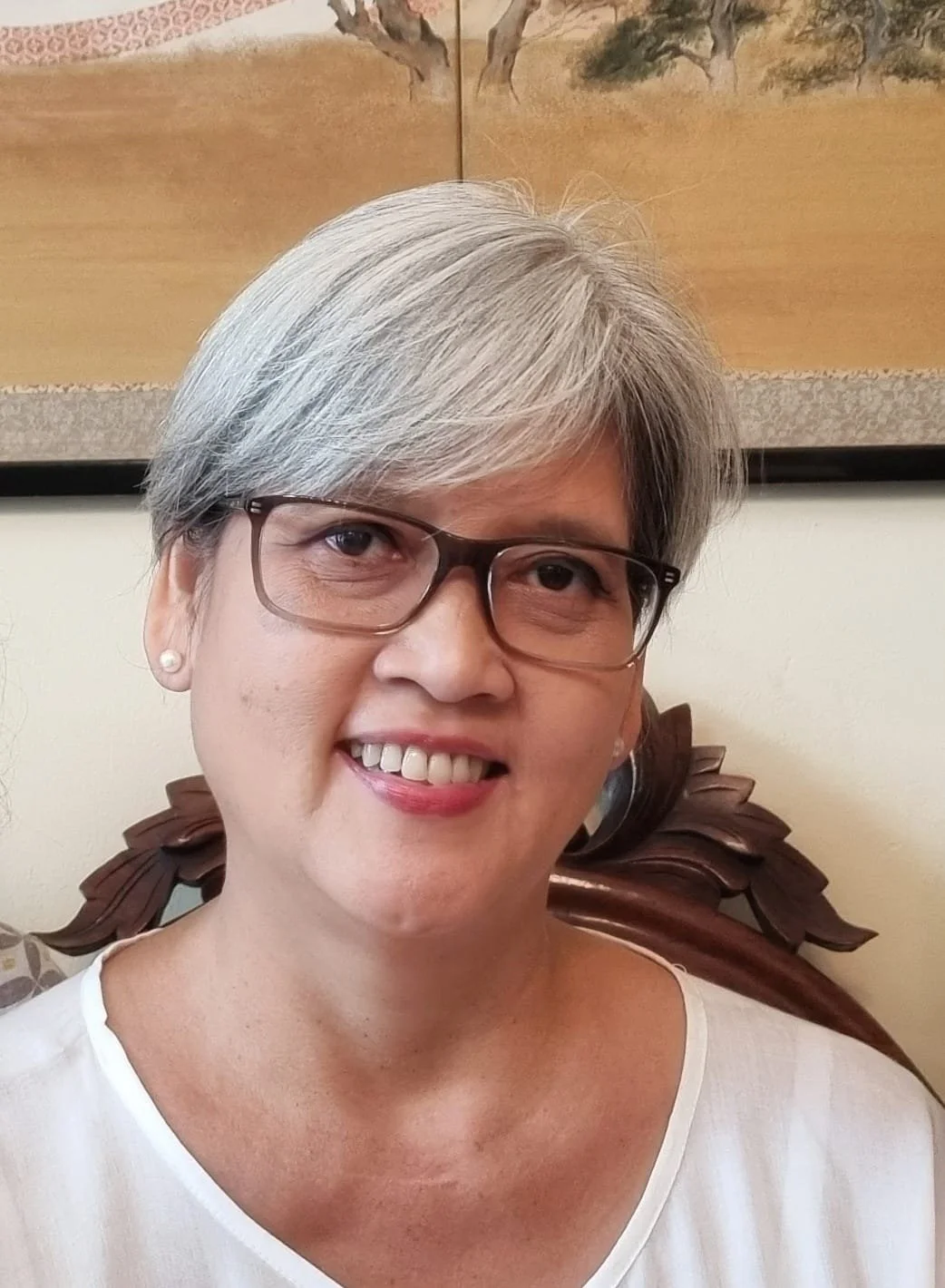
Blossoming at a New Dawn – 30 Years of Indonesia for Humanity
By: Kamala Chandrakirana, Indonesia for Humanity (Indonesia)
It took us quite some time to find the right word to describe the process we are undergoing and the ideas we are developing. For us, choosing the right word is truly important because, before taking the next step, we want first to dismantle old ways of thinking, awaken imagination, and build connection with an idea in the making. It turns out that nature itself has provided a clear path to describe a condition in which something is in the process of becoming — emergent. A moment full of vulnerability yet carrying the promise of renewal. A state of being that demands courage to engage in the act of creation amid uncertainty while facing the risk of complete failure. Read more
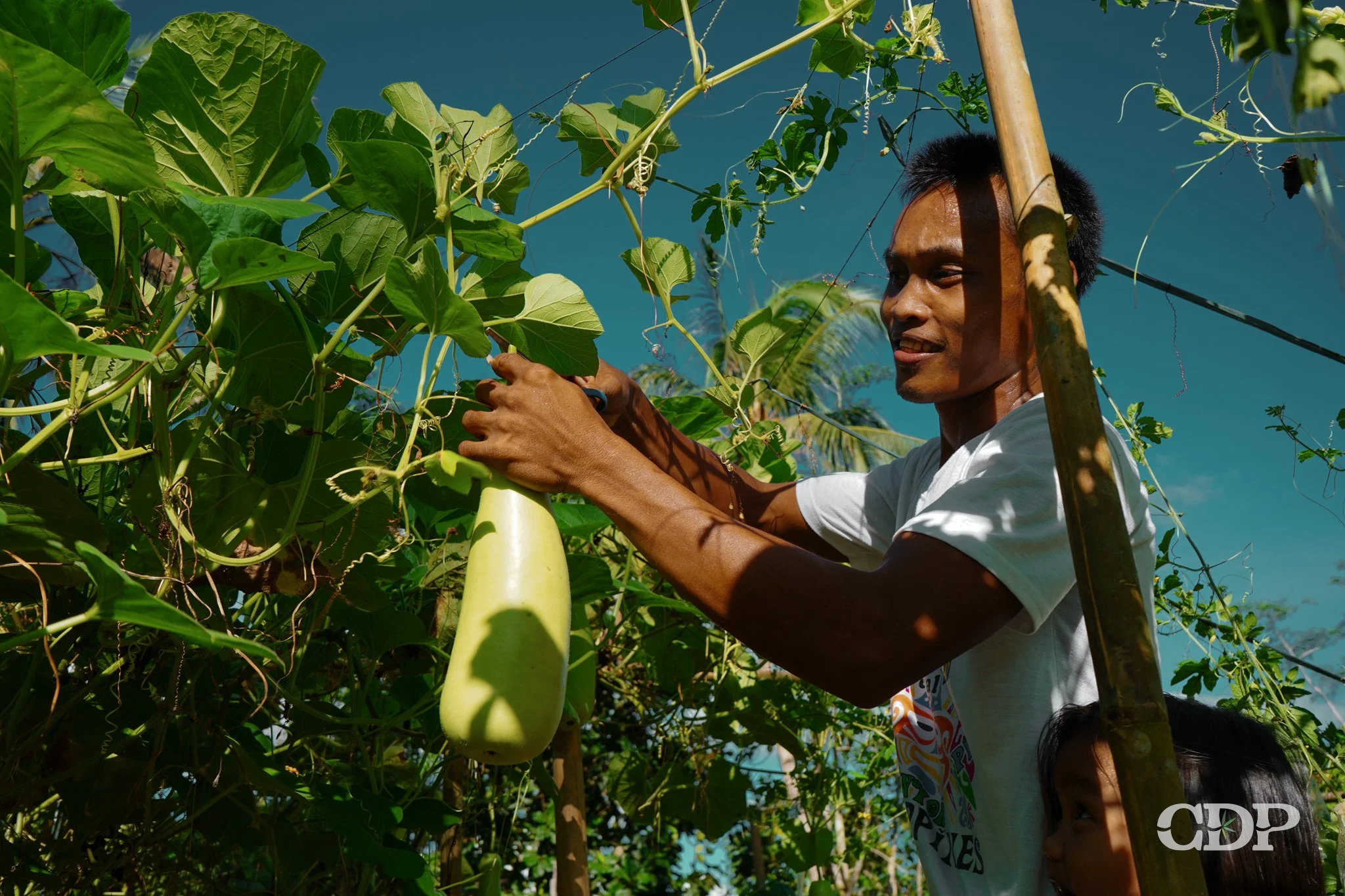
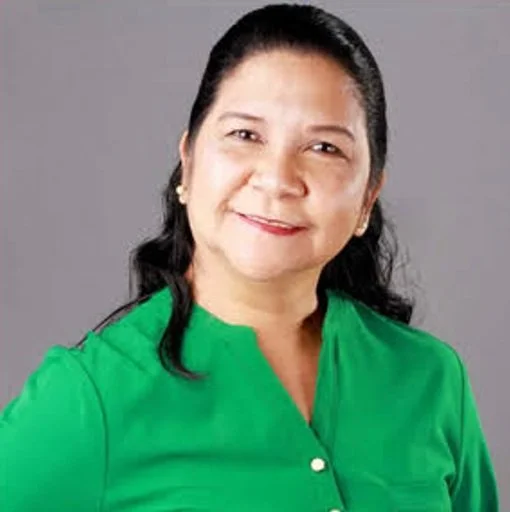
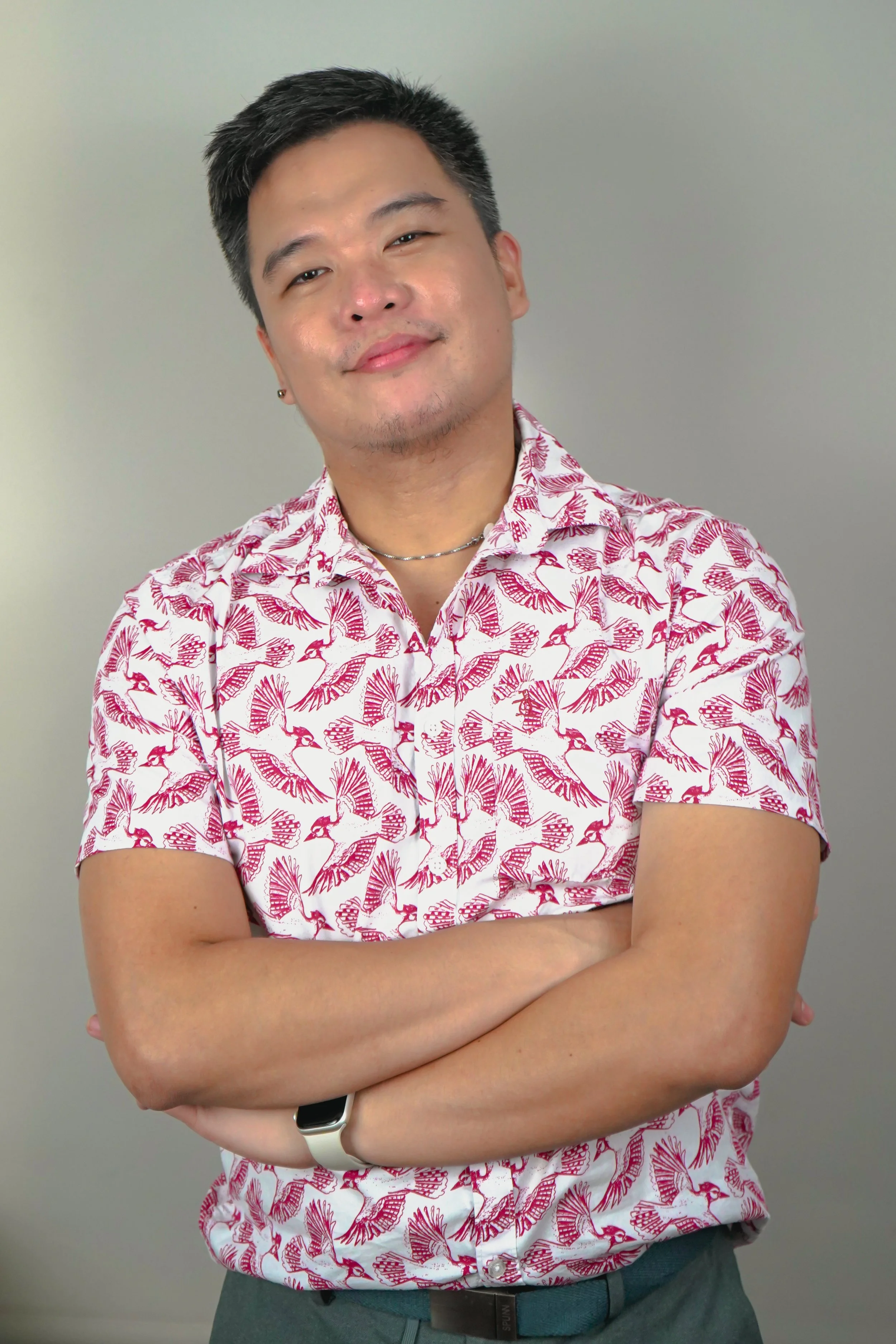
Unlearning, Relearning and Learning Anew
By: Loreine B. Dela Cruz and Michael Vincent Mercado, Center for Disaster Preparedness (Philippines)
For those working in philanthropy, development and humanitarian action, the scale of disruption over the past years needs little introduction. The unprecedented crisis is affecting local and national actors worldwide, including in the Philippines. This moment is prompting an uncomfortable but necessary reflection for all actors – civil society organizations, government and communities alike. At the Center for Disaster Preparedness, we will not be waiting for new funding streams to emerge. What we are instead focusing on is something that has always been there: the power of communities to support themselves and each other. Read more
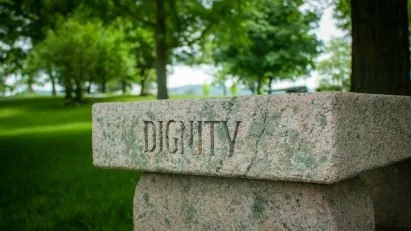
I was reading a blog recently on the ongoing review of Norwegian Development Policy. In it, the writer urges Norway to “launch a new, unifying idea: dignified development.”
I fundamentally agree — except with the idea that dignified development is either new or unifying. Dignity has the potential to be unifying, certainly. But it is not a new idea, and the international “development” world has paid scant regard to it for decades. It seems odd that development processes are not intrinsically dignified. Nevertheless, the processes that the international development community and international philanthropy use to carry out their work often do not treat people, partners, organizations or places with dignity. Lip service is paid in the glossy brochures; peel back the layers and the disconnect between rhetoric and behaviour is plain. Read more
Dignity Isn’t the By-product of Development. It’s the Foundation.
By: Jon Edwards, (UK)
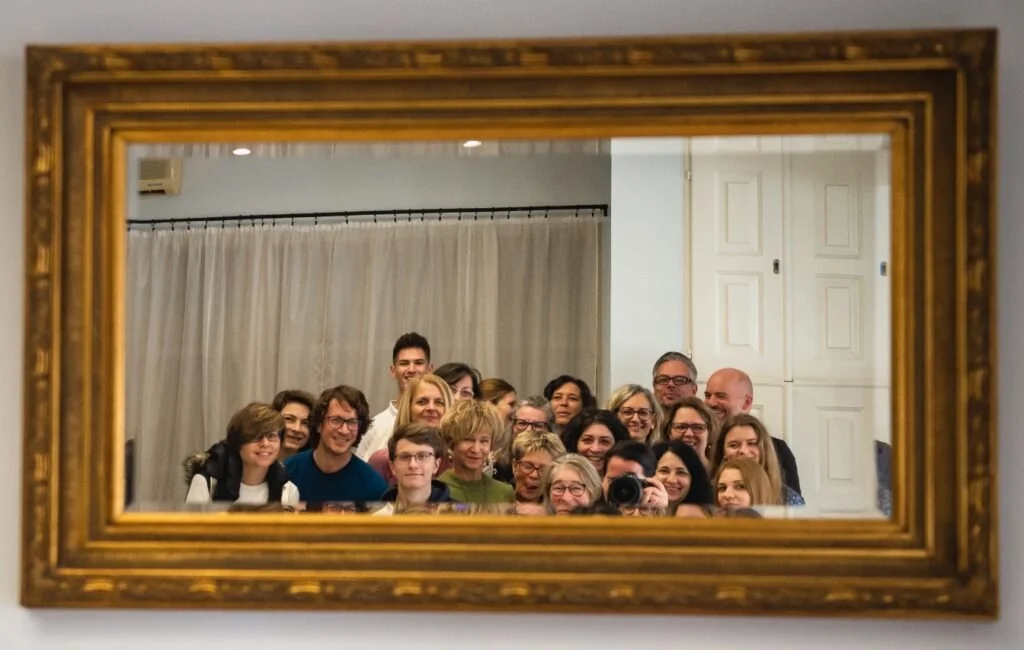
When Hungary’s parliamentary elections in April 2026 brought an end to sixteen years of Viktor Orbán’s government, much of the commentary understandably focused on politics. Analysts tried to explain why an apparently entrenched regime had finally been defeated. They pointed to inflation, corruption, the deterioration of public services, the emergence of a credible opposition, and an unprecedented level of civic mobilization.
All of these explanations are important. But in the weeks following the election I found myself returning to a different question. Not what changed during the campaign, but what had already changed inside Hungarian society long before anyone imagined that such an election result was possible. Read more
What Grew While Democracy Was Shrinking?
By: György Hámori, Roots and Wings Foundation (Hungary)
Possible Now and the Journey from Machine Mind to Garden Mind
By: Jenny Hodgson, Global Fund for Community Foundations (UK)
For the past year and more, the headlines in the international development and philanthropy space have been dominated by stories of despair and loss: key services have been cut, organizations forced to reduce or close. Existing systems seem exhausted and calls for the “localization” of aid feel like yesterday’s news, as aid budgets are cut and the very norms of international development cooperation as a global public good are in doubt. The days of grand bargains and global pledges are over. In their place there is a battle for survival, with many in the mainstream searching for a new relevance in a dramatically changed world. Read more
By: Sam Rye, Monash University (Australia)
Coming Alongside Possible Now: From Social Innovation to a Good Society
It’s November 2024, Naarm Melbourne, Australia, and I was told there were a couple of people in town who I should really meet. Given I have a lot of faith in Ian Bird (from Community Foundations Australia at the time, and a member of the Global Fund for Community Foundations - GFCF board), who was the person telling me I should head to the city to meet them, I agreed and teed up a time and a suitably Melbourne café. It was the first I had heard of the GFCF, but apparently their reputation had preceded them as I was aware of the #ShiftThePower work they were involved with. Read more
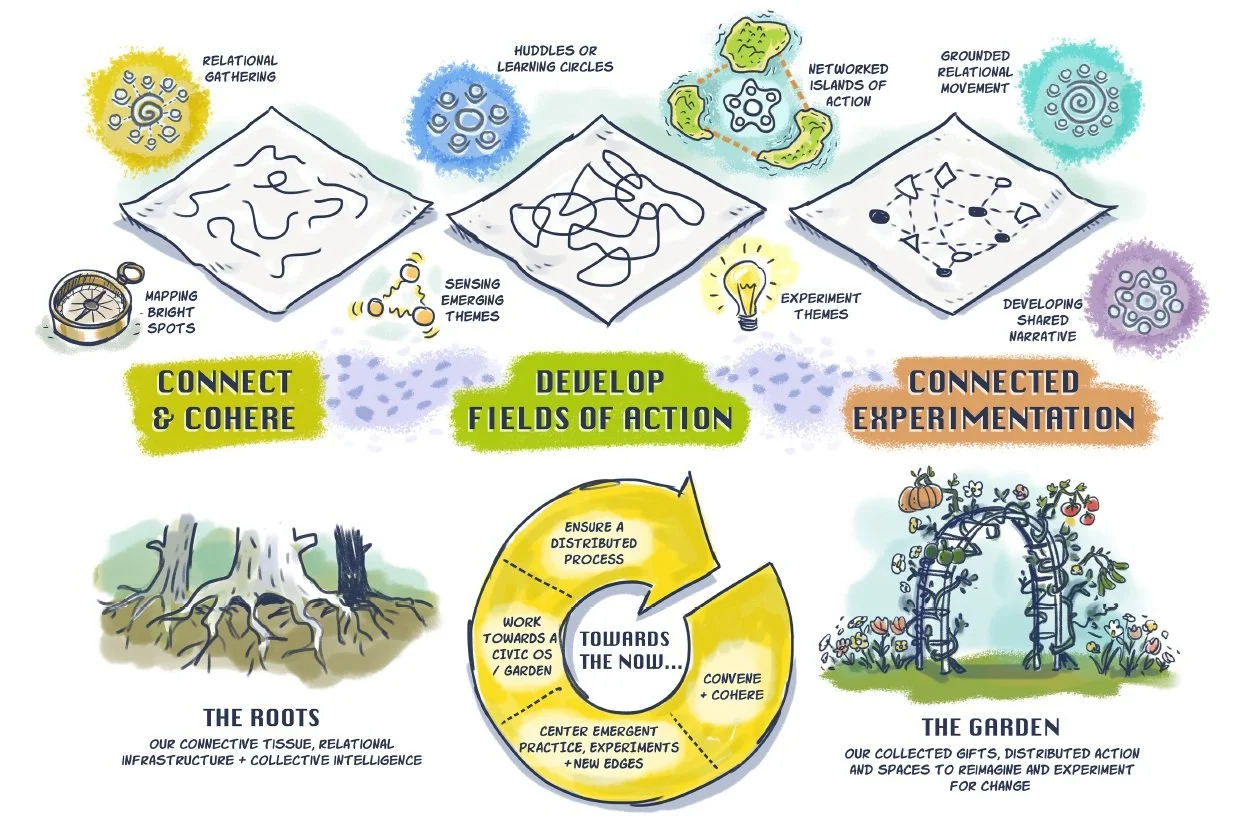
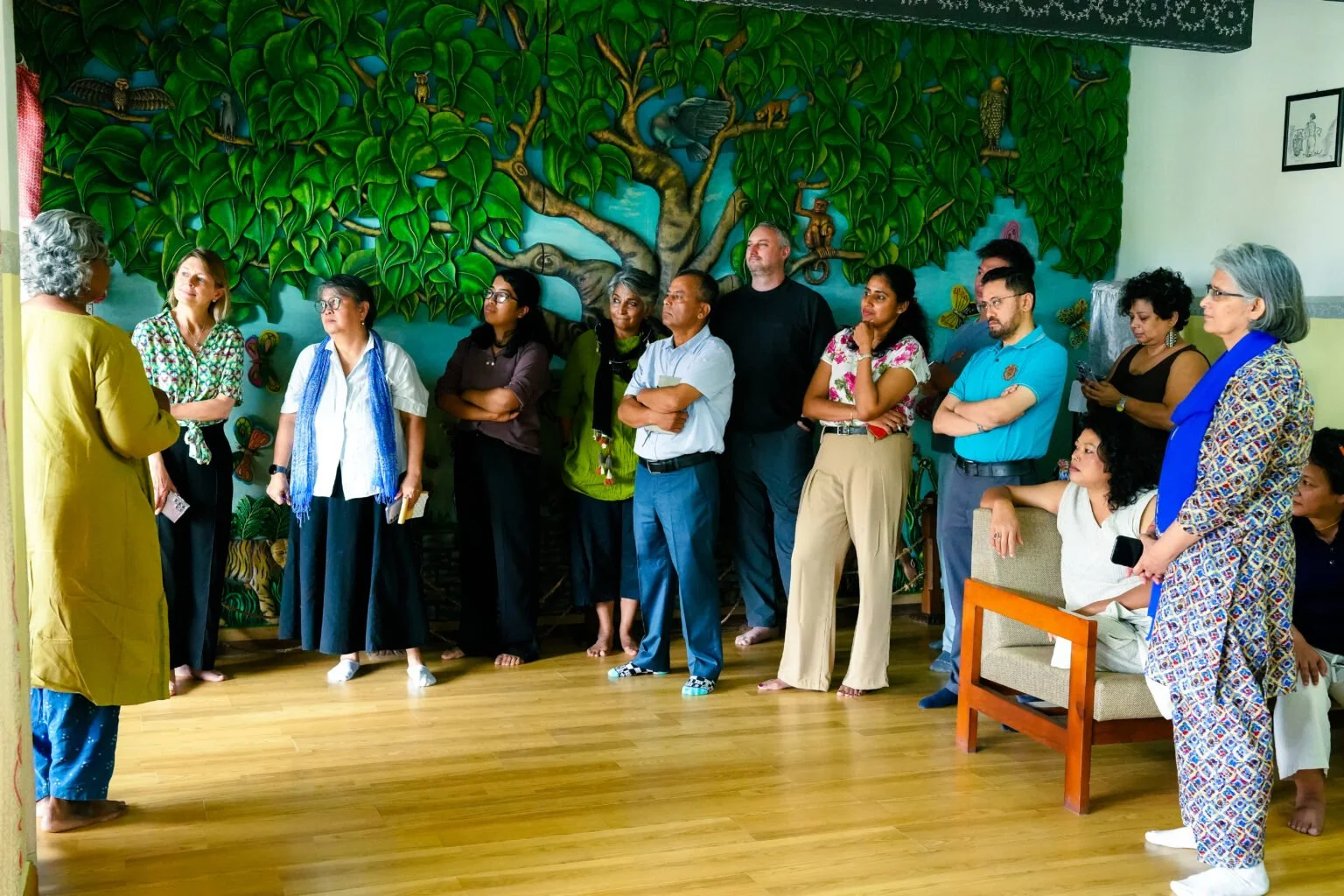
In the wake of a turbulent 2025 and 2026 with challenges to democratic societies, the dissolution of aid funding, wars and instability around the world all looming large, seeds of hope are still being planted and nurtured around the world.
The power of small groups of people, gathering together, dreaming of alternative futures feels increasingly counter cultural in this climate. But when so much energy is being spent resisting oppression, applying for grants, bending to the requirements of donors, and trying to maintain support for marginalized groups – simply gathering to imagine something different can feel like a luxury. Read more