Weaving Conversations
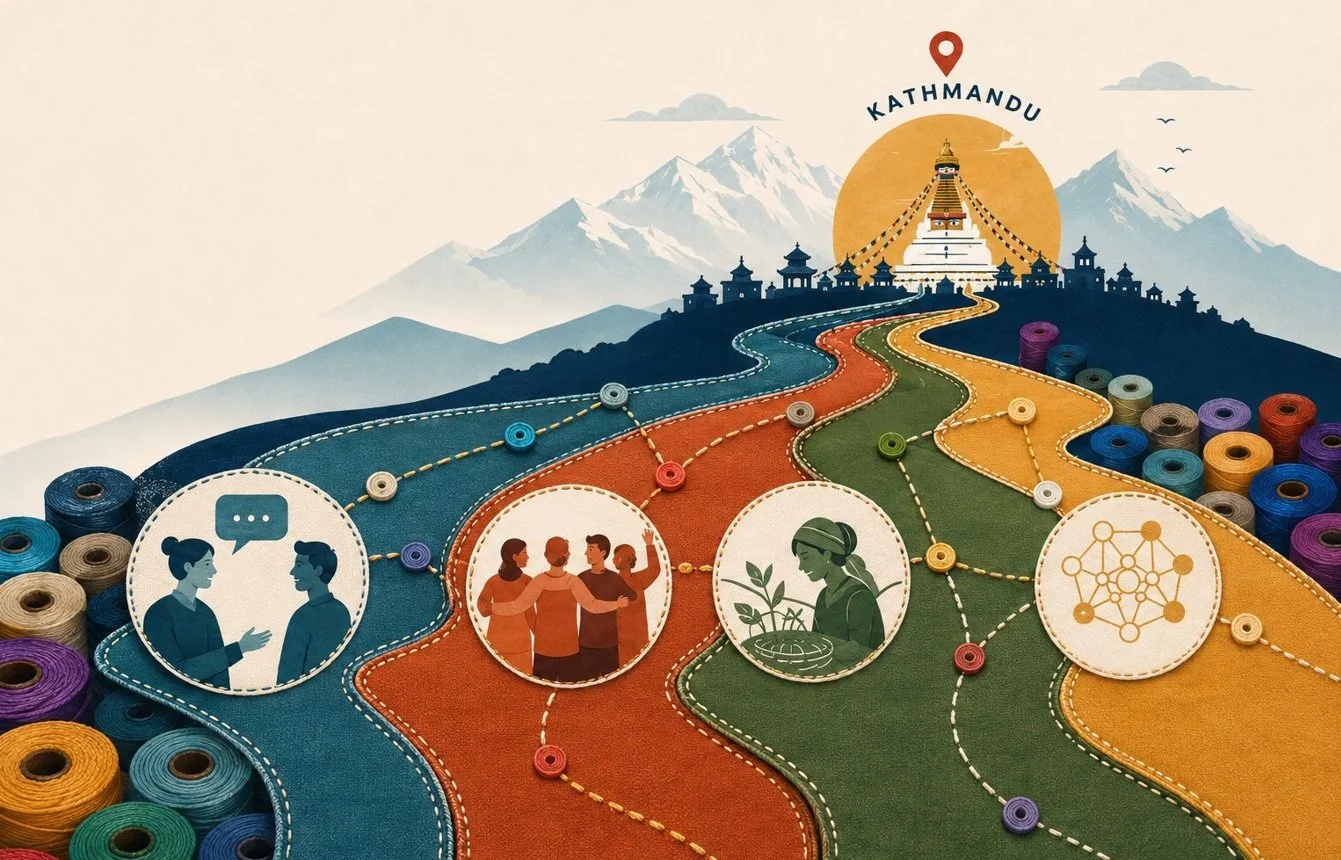
The journey to December’s Possible Now Summit began some time back, initially prompted by questions about how to sustain the movement energy ignited by the 2023 #ShiftThePower Global Summit Bogotá, and subsequently and suddenly accelerated by the dismantling of USAID and other shifts in the funding system.
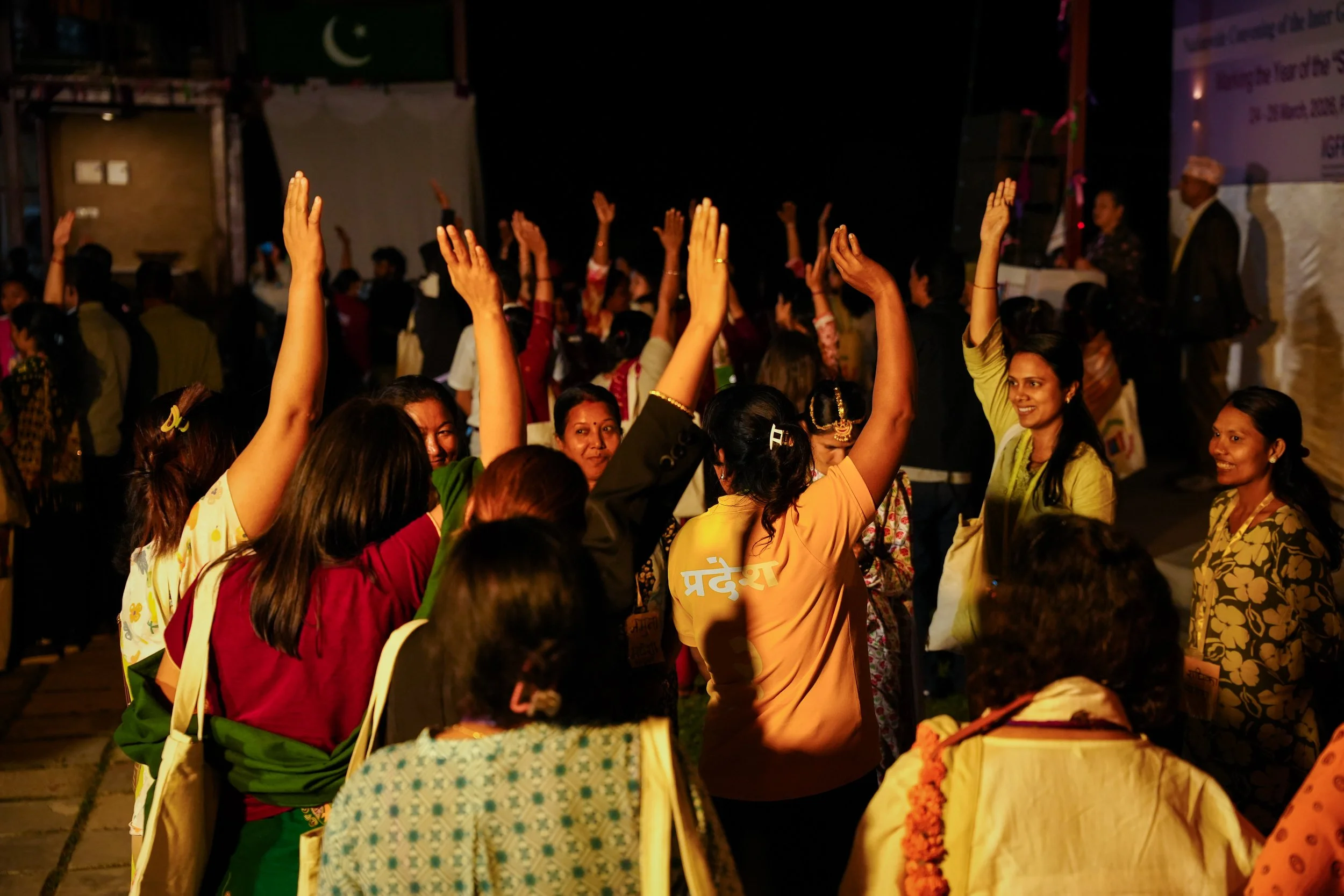
More than 350 people have already stepped into the evolving Possible Now conversation, at in-person meetings in Australia, Kenya, Nepal and the UK, as well as through multiple small online conversation circles. Conversations have also taken place at events and workshops organized by others, and new friends and allies have also joined, bringing new seeds from adjacent spaces.
These are not standalone events. They are threads in a wider process of weaving, of connecting ideas and of building a common grammar.
Details of weaving conversations already held can be found below, and others will be added as the journey to Kathmandu continues.

UPCOMING!
The Good Economy: What Kind of Economy Does a Good Society Need? (26 October 2026, online)
What would it mean to build an economy that works for people, communities and society as a whole?
For decades, the system of international development aid and philanthropy has focused downstream of the economy, responding to poverty, inequality and exclusion in the form of livelihoods, social protection and financial inclusion programmes. What rarely gets discussed, however, are the larger, more consequential questions about the economy. How is value created and distributed, for example? How is work valued – and by whom? Who owns productive assets or controls capital? Where does wealth accumulate or not? In short, who is included – and who is left out altogether? Read more or register here.
ONGOING!
#ShiftThePower and AI: Who Wants to Talk? (September - November 2026, a series of online conversations)
As part of their Possible Now Stitching Fellowships, Matt Haikin (UK) and Facundo Ibarlucía (Argentina) will be organizing a series of online conversations exploring the broad question: What does a #ShiftThePower approach to AI look like?
There is a wealth of advice on using AI tools effectively, and almost as much warning against AI’s potentially devastating impacts on society, but comparatively little that is nuanced about harnessing AI for good while minimizing or mitigating (though rarely removing entirely) its negative impacts. Add an explicit power-dynamics lens and a focus on locally-led development, and the advice dwindles further. Most social impact organizations and funders are already experimenting with AI. If questions of power, ownership and agency are going to shape the role of AI in global development, these conversations need to start now.
You absolutely DO NOT need to be an AI expert to join this series of conversations! Read more about the series here, including who should join. The series will run from now until the end of November. Complete this short form to register your interest, and Matt and Facundo will invite you to one of the upcoming conversations. They will be stitching together what they hear in order to design an interactive AI Lab at the Summit in Kathmandu.
How Does Your Garden Grow? (20 August 2026, online)
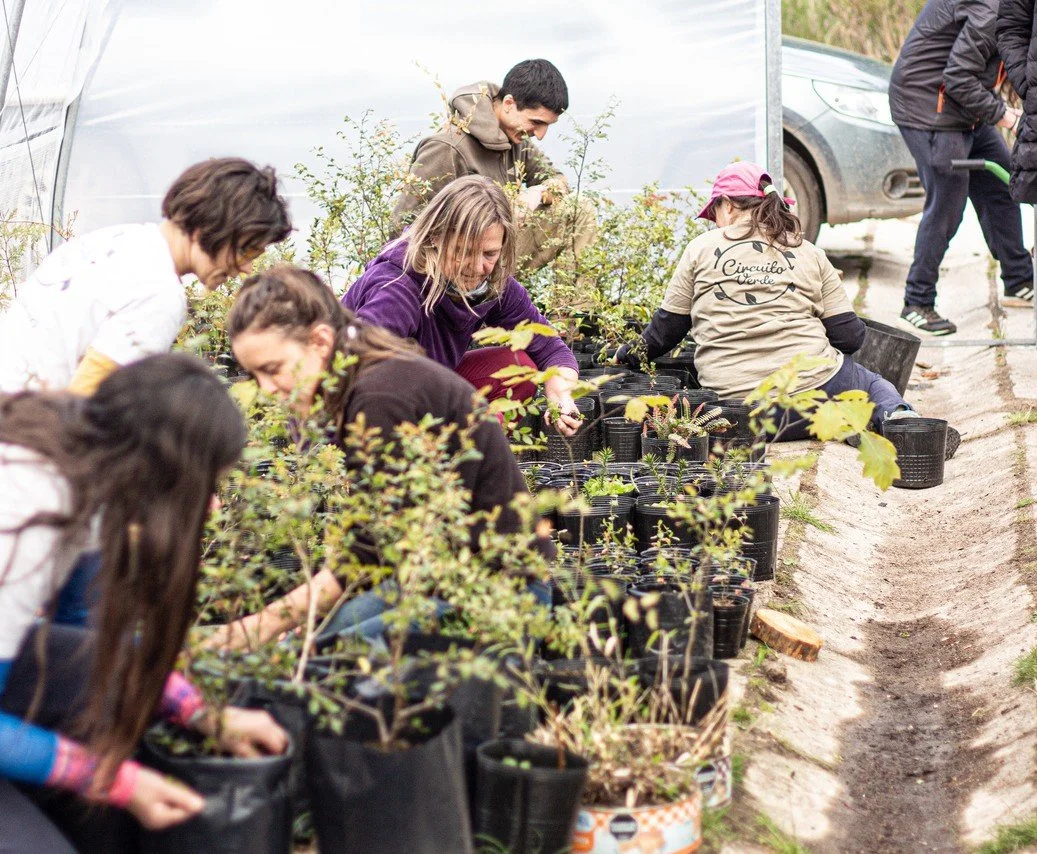
Across philanthropy and international development, “systems change” has become a familiar ambition. But what if some of the ways we think about changing systems are still rooted in the very logic we need to leave behind?
In a recent conversation “How Does Your Garden Grow?”" hosted by Alliance Magazine, Barry Knight invited participants to move away from what he called a “machine mind” — the idea that complex social and ecological systems can be managed by pulling the right levers to produce predictable outcomes. Systems, he argued, are better understood as ecologies: living, dynamic, and emergent. “Garden mind” instead offers a different way of seeing change, one that recognizes that, like a garden, systems are alive, interconnected, and capable of growing in directions we cannot fully predict or control. Read more or watch the recording below.
Possible Now and the Road to Kathmandu (25 - 26 June 2026, Kathmandu)
How Stories, Safe Spaces and Communities Shape One Another
By: Renu Ghimire and Pratik Karmacharya, Freedom Studio (Nepal)
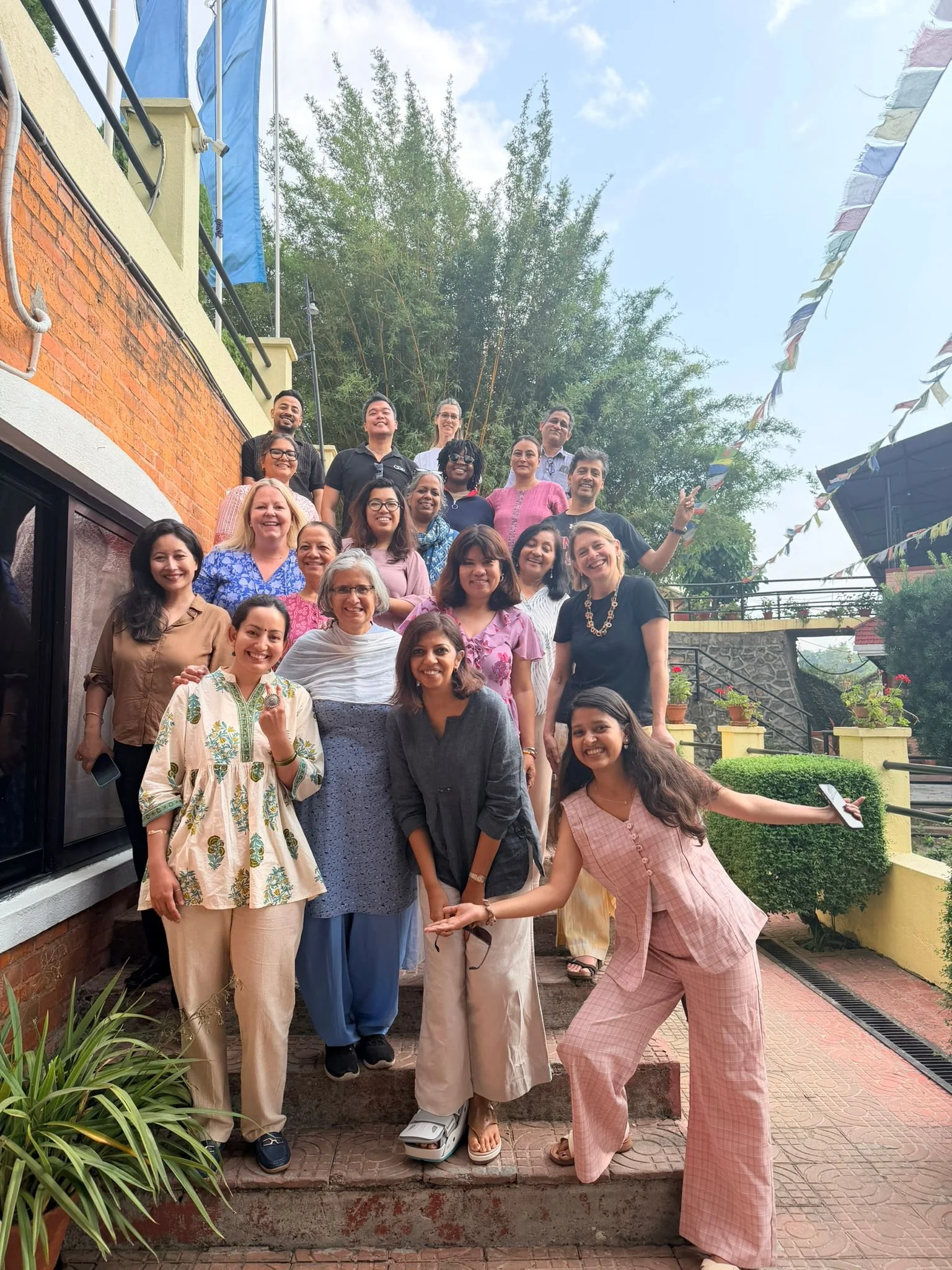
In the last week of June, we arrived at the Tewa Centre for what we thought would be a planning meeting for the Possible Now Summit, which will take place in Kathmandu in December. We expected timelines, logistics, session ideas and the practical work of preparing for a global gathering. But, inside Tewa’s Jamghat hall, people from different countries and movements sat together and listened. That experience brought us major reflections.
For Renu, the meeting opened questions about story-telling: whose stories matter, whose knowledge counts, and how stories should travel without being taken away from the people who lived them. For Pratik, it opened questions about safe space: what makes people feel able to speak honestly, and who quietly holds the conditions that allow such honesty to emerge. In the end, we realized these were not two separate reflections. Stories need safe places to land, and safe spaces become meaningful when people can bring their real stories into them. Read more
Possible Now (17 May 2026, Melbourne)

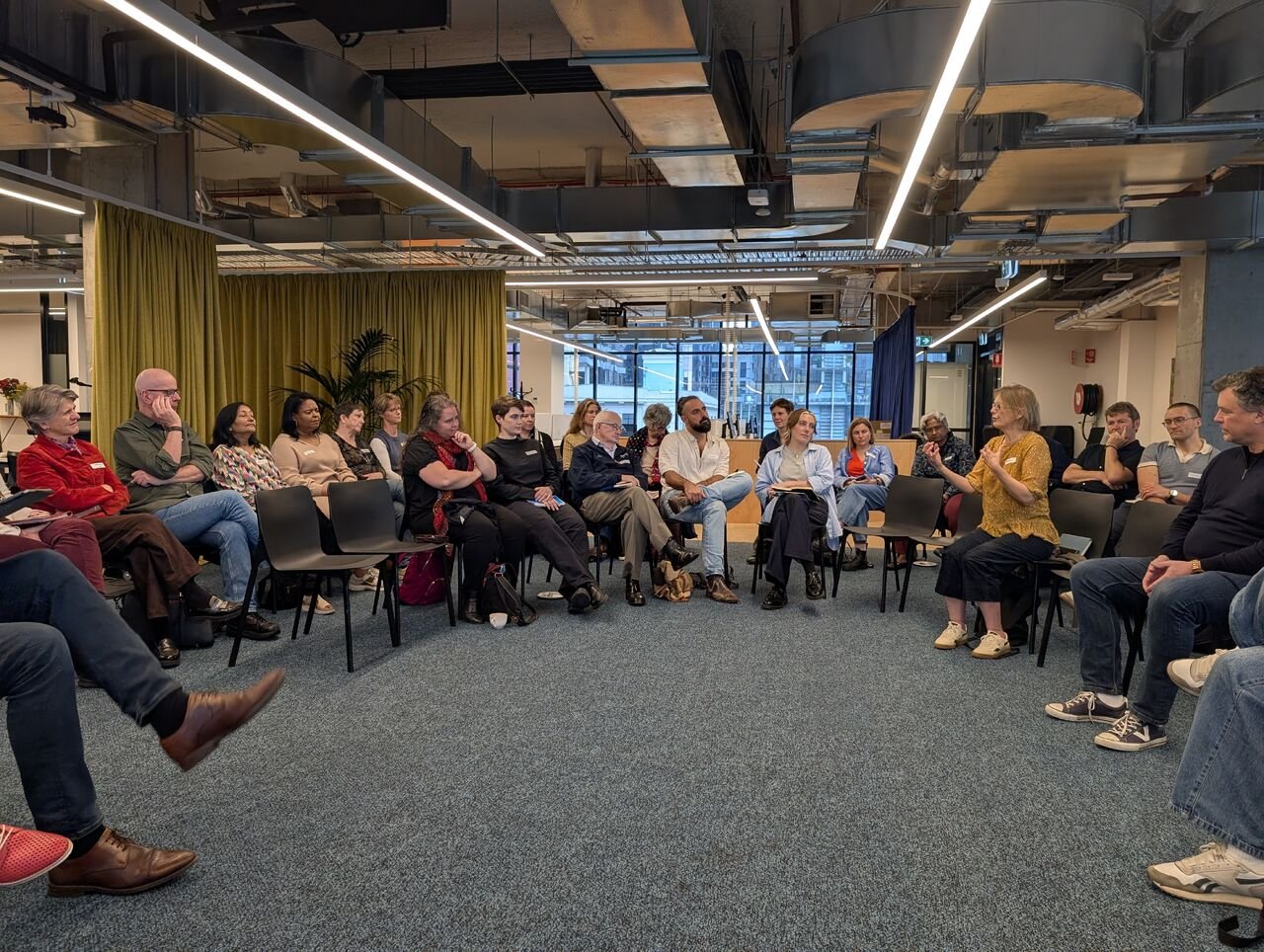
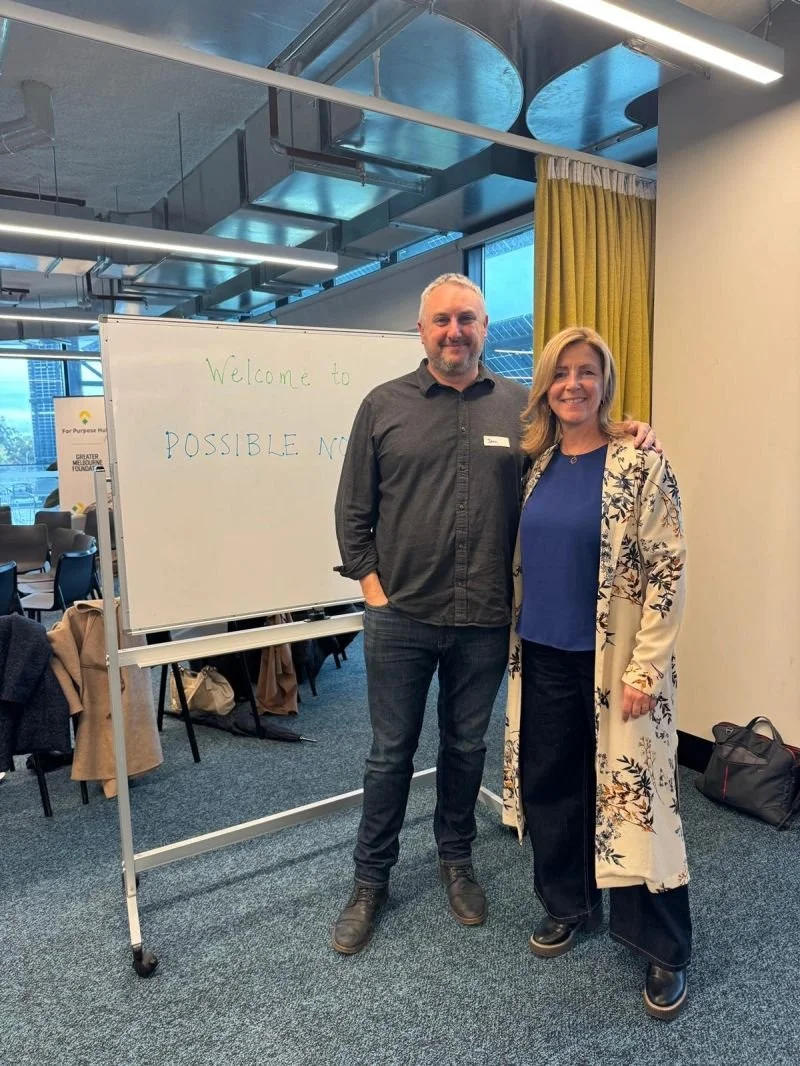
By: Michelle Baldwin, Community Foundations Australia Community Collaboration Fellow (Australia / Canada)
To kick off the National Community Foundation Forum, Community Foundations Australia and the GFCF hosted a Possible Now conversation with more than 70 people from across Australia and globally. It was hosted by Jenny Hodgson and Barry Knight of the GFCF and Ian Bird, current CEO of Community Foundations of Australia, with facilitation from Sam Rye of Monash University and myself with support from Georgia Mathews and Dylan Smith, new Co-CEOs of Community Foundations Australia. Read more
Community Philanthropy Symposium (7 - 10 October 2025, Nairobi)
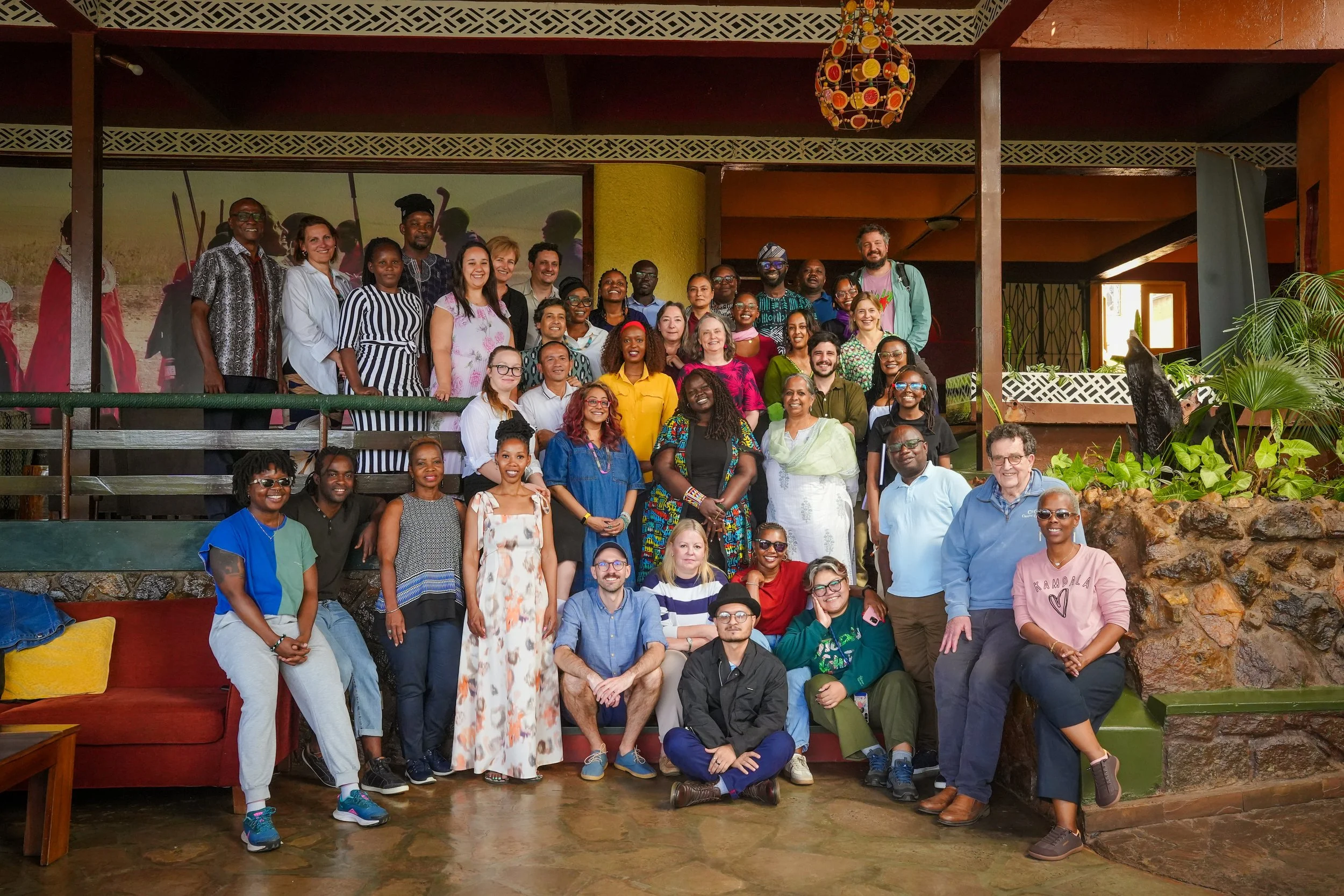
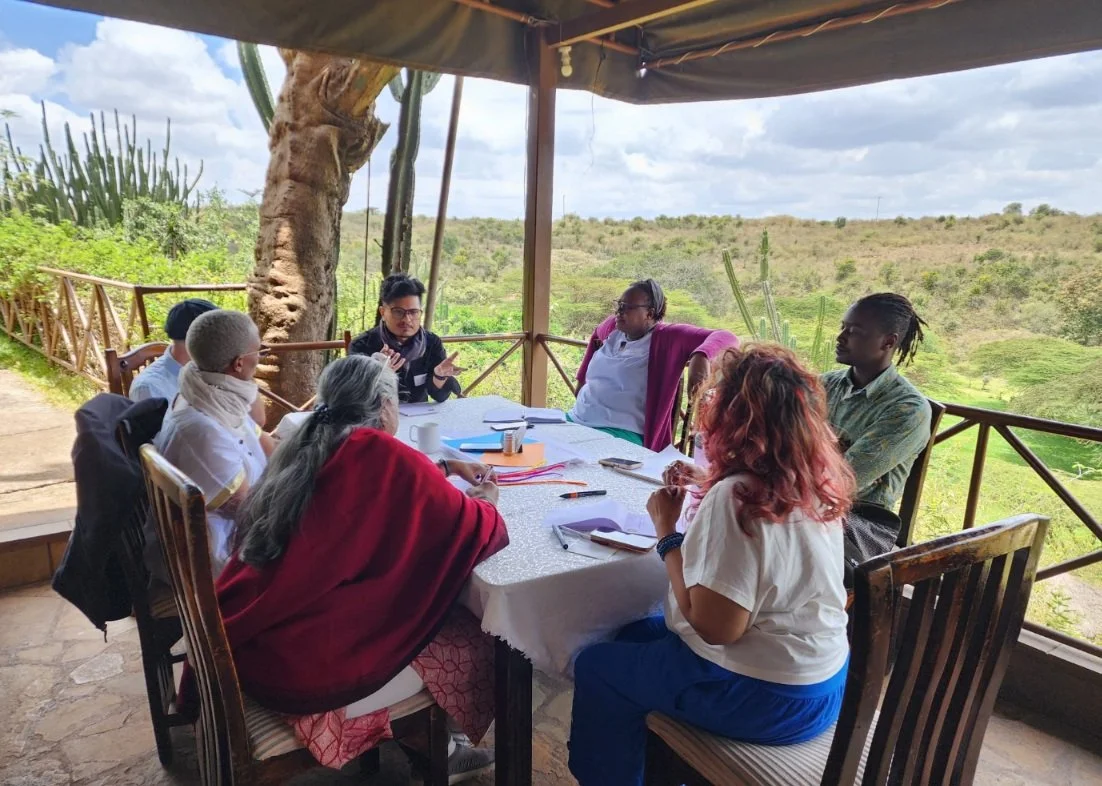
In October 2025, I spent two weeks in Nairobi as part of the #ShiftThePower Fellowship. The first week was the GFCF’s Community Philanthropy Symposium at Masai Lodge, nestled in the middle of Nairobi National Park. The Lodge was lush and full of life, a place where baboons appeared at dusk and small hyraxes played across the grass. The sounds of nature became our constant background rhythm, reminding us that we were held in something larger than ourselves. Read more
Relationships as the Real Infrastructure
By: Lena Bheeroo, Possible Now Stitching Fellow (UK)
I had the privilege of joining the GFCF’s Community Philanthropy Symposium in Nairobi, alongside 42 participants from 23 countries. Most of us came from challenging environments, yet we shared a deep commitment to strengthening local communities and rethinking how power and resources flow. We met at a time when the global context feels increasingly fragile: aid budgets are shrinking or collapsed, civic space is under pressure, and trust in institutions is eroding. Yet beneath these visible cracks, something quieter and more enduring is taking root. Read more
A Glimpse into the Future of Philanthropy
By: György Hámori, Roots and Wings Foundation (Hungary)
Possible Now and the Road to Kathmandu (18 - 19 June 2025, Kathmandu)
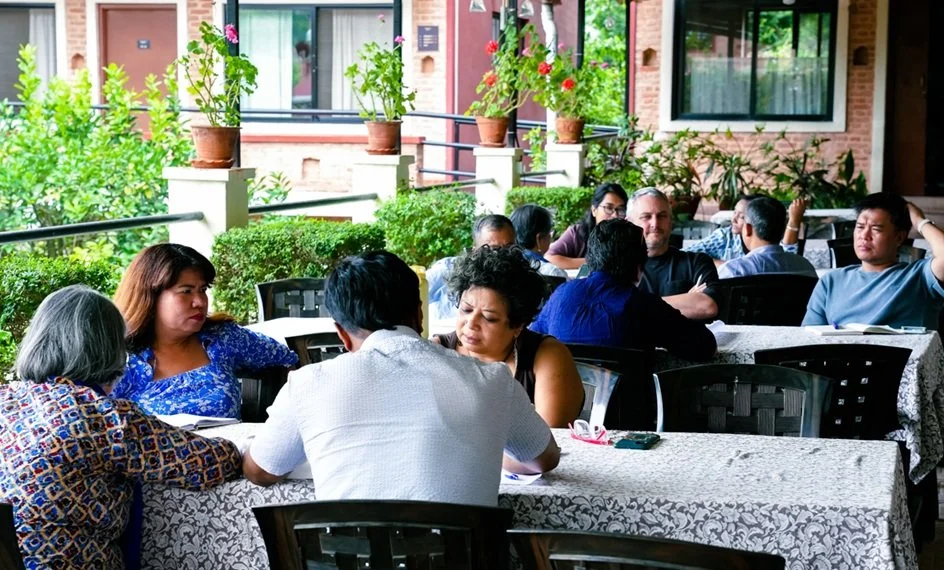
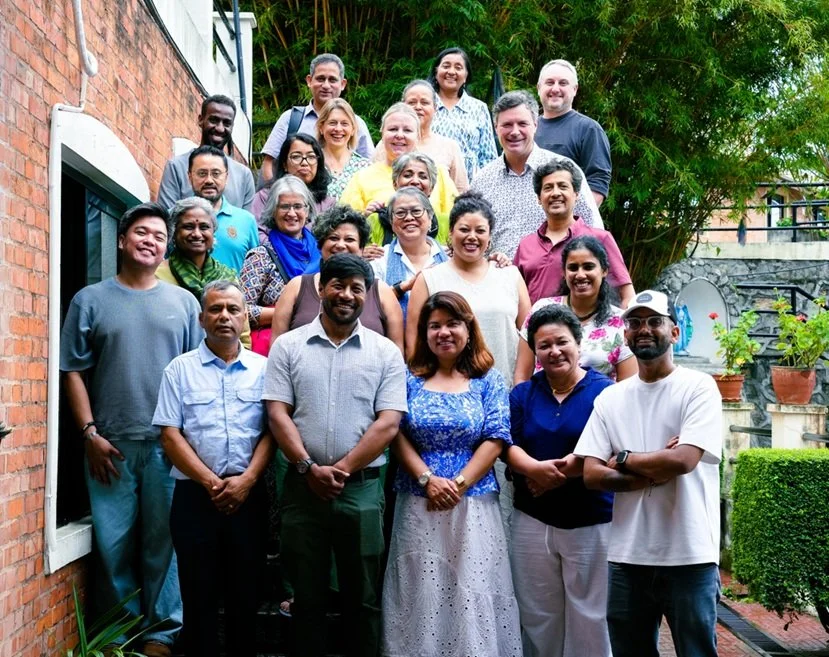
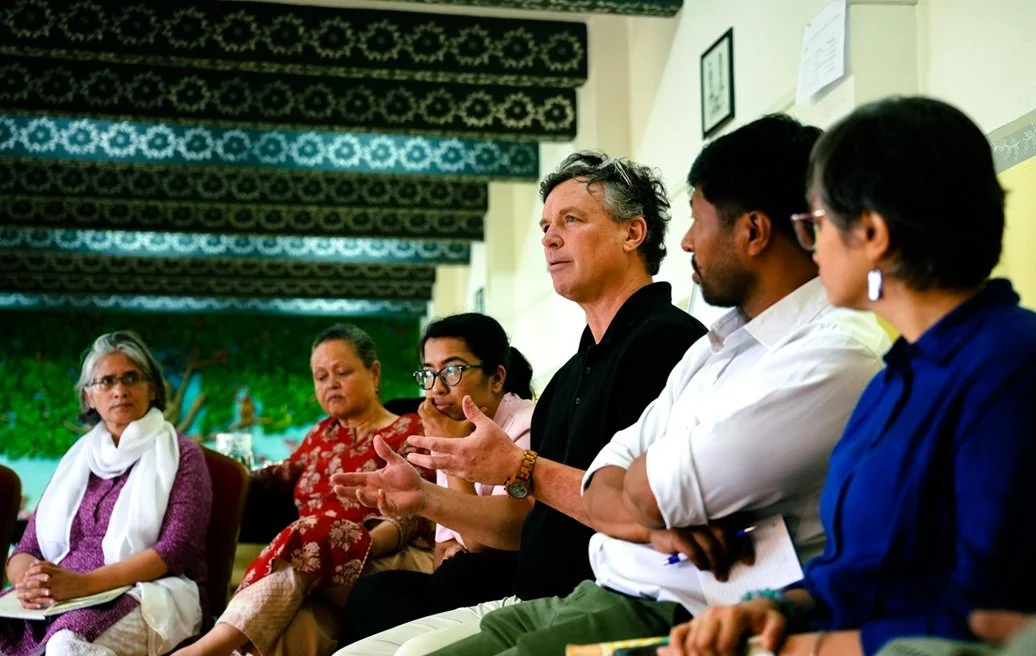
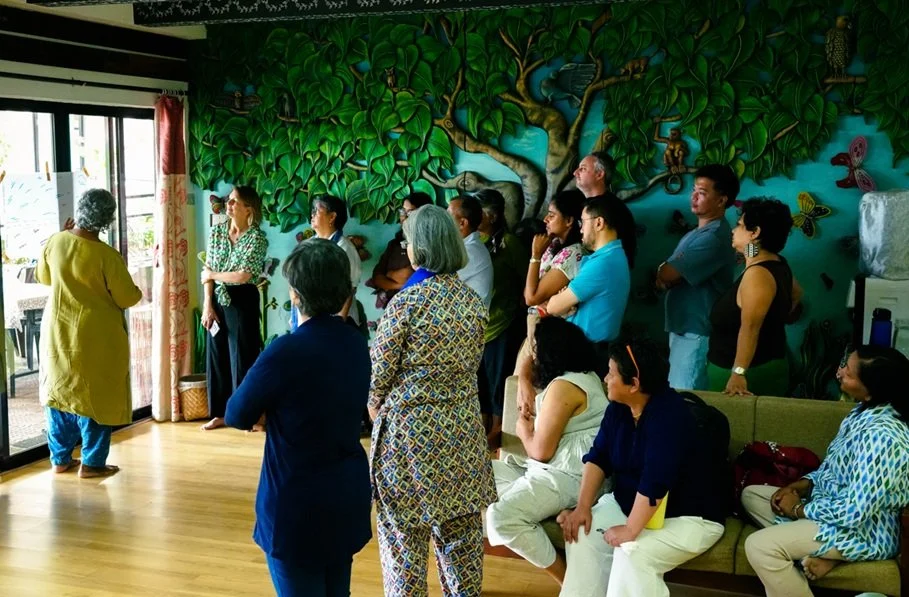
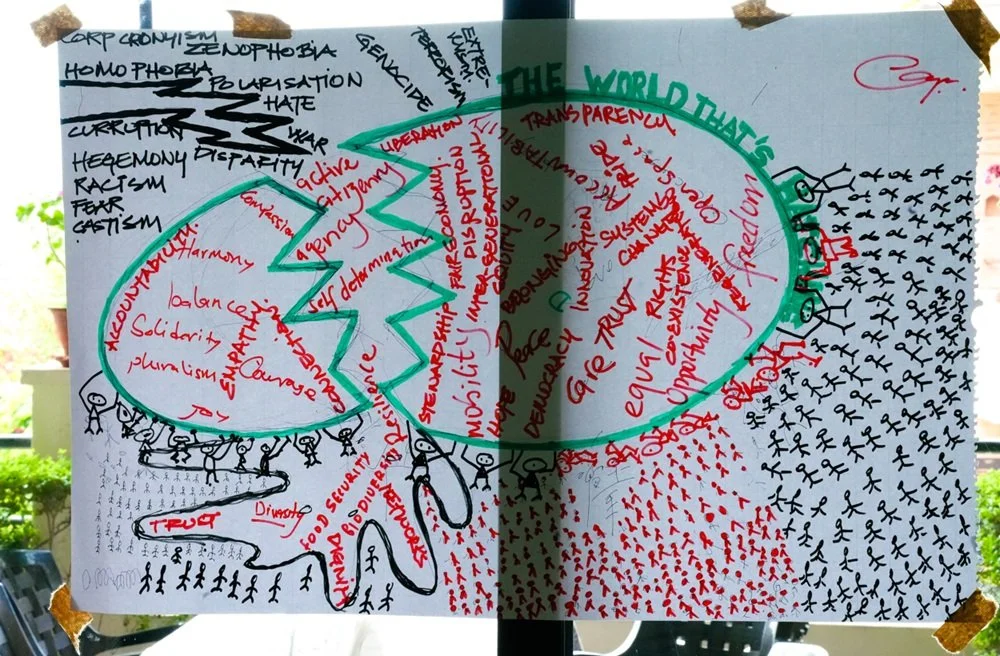
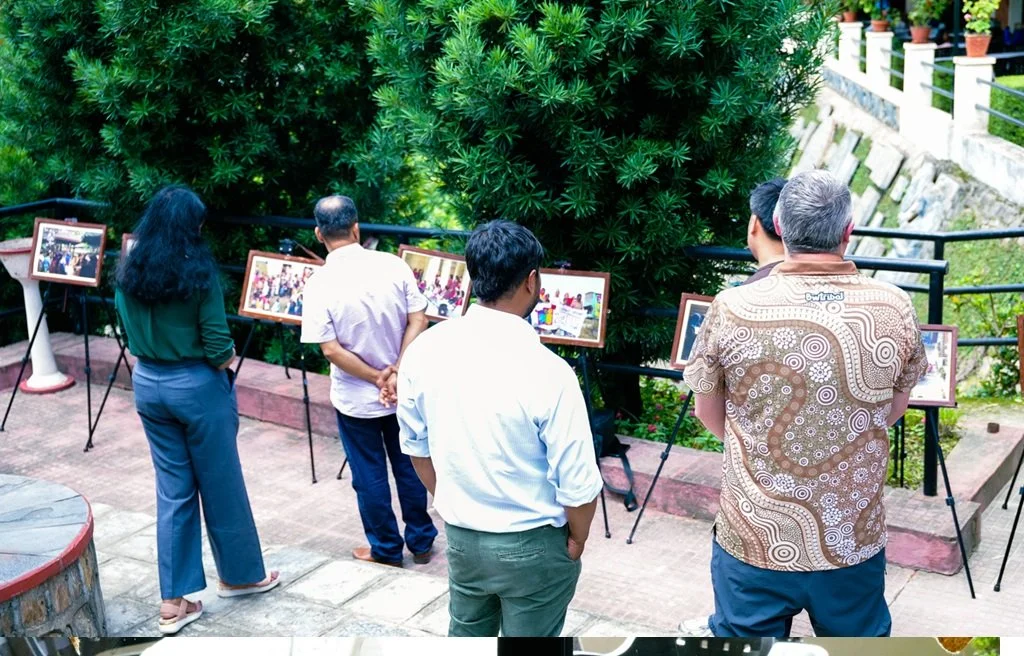
In June 2025, with the December 2026 Summit already in mind, GFCF partners from Nepal and the wider region met at the Tewa Centre in Kathmandu to explore the question, “What is Possible Now?” The group was challenged to think about what kinds of radical re-imagining, experimentation and reconfigurations will need to happen – and, indeed, are already happening, if at the edges of the dominant system – as those present navigated the choppy waters of intersecting geo-political, economic and climate crises in pursuit of a better world. Just one thing emerging from the meeting was the three animations below: the product of small groups in conversation, gathered over flipcharts with blunt marker pens, dreaming of a different future in the form of doodles and drawings. These were later given an artistic “shine” by a professional animator.