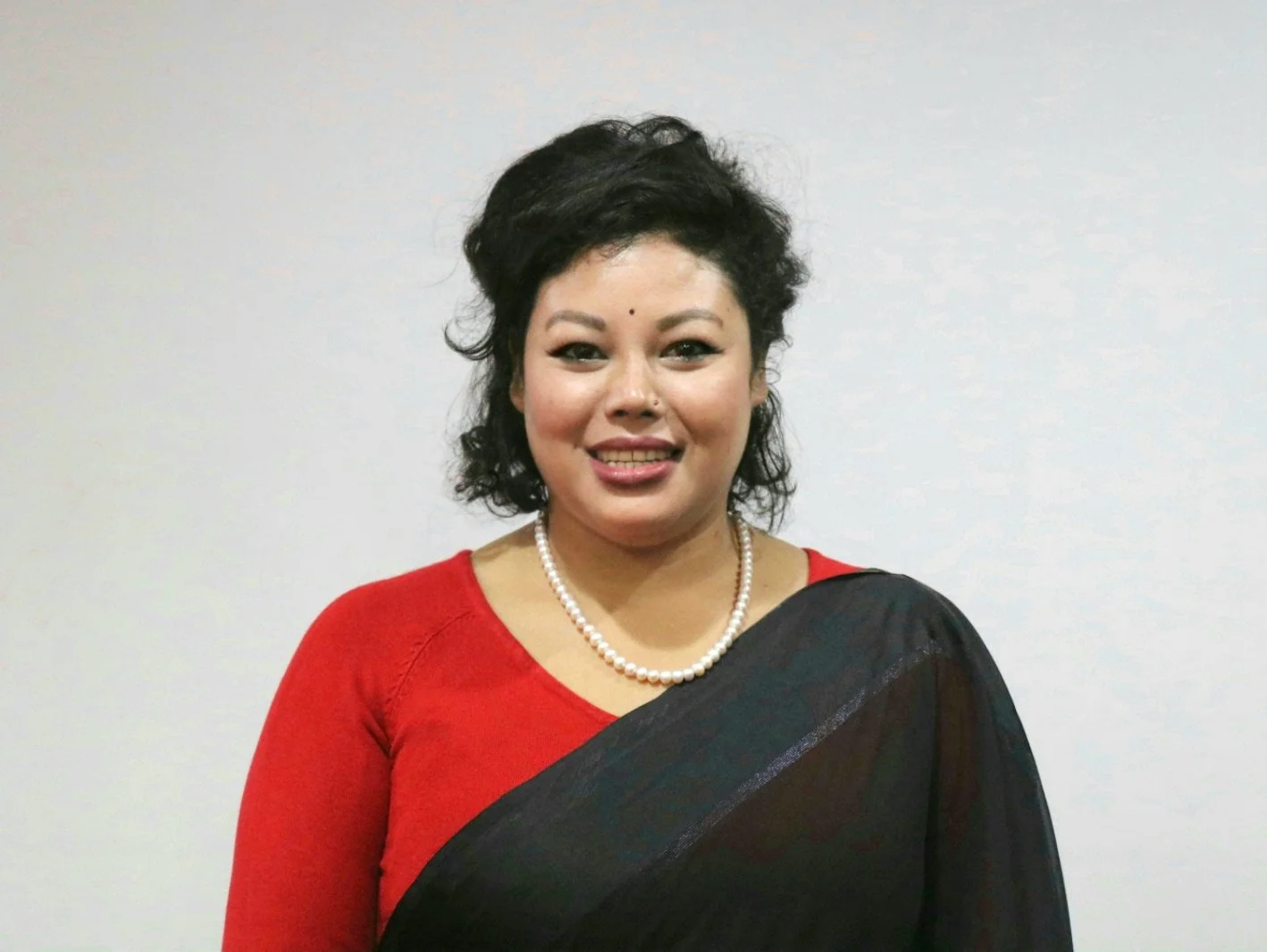
Sarita K.C., Mitini Nepal (Nepal)
From a Small Flame to Collective Power
What becomes possible when the courage of two women sparks a movement, and that movement creates space for generations to live, resist and lead?
For me and Mitini Nepal, Possible Now is about turning possibility into power — the power to challenge injustice, transform lived experiences into collective action and build a world where every lesbian, bisexual, transgender and queer (LBTQ) individual can live with dignity, freedom and without fear.
In 2002, when homosexuality was not decriminalized in Nepal, two lesbian women in an inter-caste relationship dared to come out in a society that offered them little acceptance and protection. Their journey was marked by family violence, social stigma and profound uncertainty. Yet, instead of allowing their struggles to remain theirs alone they reached out to others who might be facing similar realities. From this courage emerged Mitini Nepal. With the solidarity and support of feminist leader Rita Thapa, their struggle became part of a broader movement for recognition, rights and justice.
What began as a small flame of courage has grown into a collective force of resistance, belonging and hope.
Today, I am privileged to carry forward this legacy. Mitini Nepal is more than an organization; it is a space where LBTQ individuals across generations and diverse lived experiences can connect, find support, challenge exclusion and imagine different futures. Nepal’s constitutional recognition of sexual and gender minorities marks significant progress, but recognition alone cannot dismantle discrimination. Our struggle for equality, safety and justice must continue.
I welcome the Possible Now Summit in Kathmandu as an opportunity to connect our grassroots realities with global movements, exchange learning and explore what it truly means to shift power towards communities whose voices have historically been silenced. Nepal’s rich cultural heritage and feminist movement offer important lessons in resilience, resistance and adapting strategies for social change.
I will bring our experiences of advancing intersectionality and intergenerational solidarity within the LBTQ movement, asking how we can build movements that embrace our differences without leaving anyone behind.
Possible Now is not a distant promise. It is a collective responsibility. When lived experiences become shared power, when generations stand together, and when marginalized communities shape the decisions that affect their lives, another future becomes possible and we can begin building it now.